
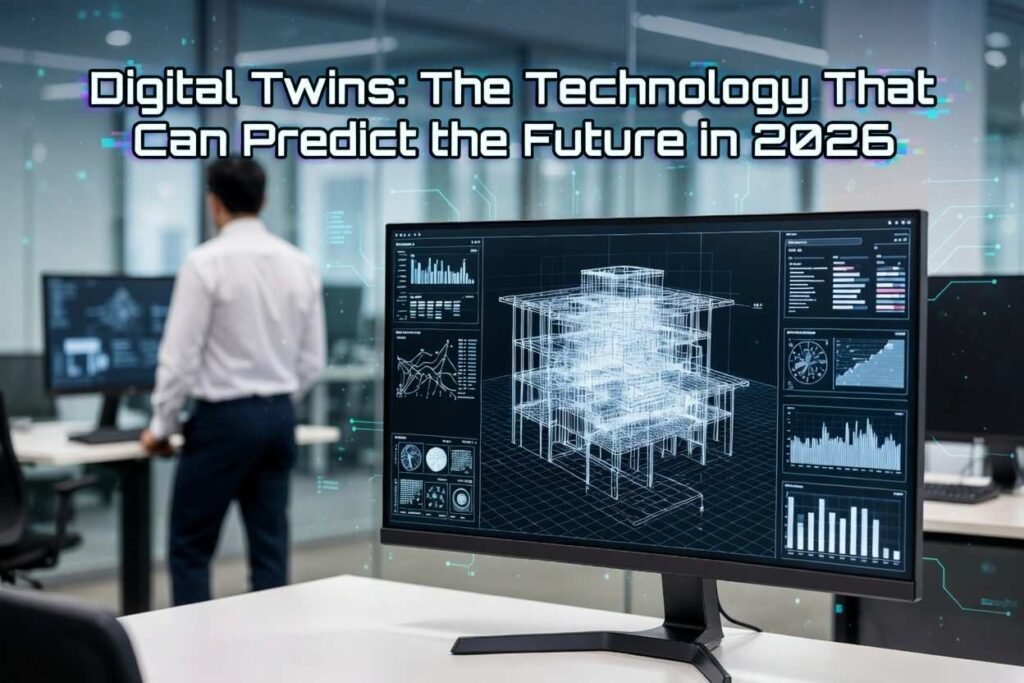
Digital twins are transforming how businesses understand and predict real-world systems. I personally explored digital twin tools while working on a small IoT-based project, where I used simulation software to monitor performance before actual deployment. This experience showed me how powerful predictive insights can be when data is visualized in real time. From manufacturing to healthcare, digital twins are helping industries reduce risks and improve efficiency. In 2026, this technology is becoming more accessible and widely adopted.
In simple terms, a digital twin is a virtual replica of a physical object, system, or process. It continuously receives real-time data and uses it to simulate behavior and predict future outcomes. I have seen how businesses use tools like Siemens Digital Twin and IBM Digital Twin Exchange to analyze operations and avoid costly mistakes. With the rise of AI, IoT, and cloud computing, digital twins are no longer a luxury, they are a necessity. This technology is shaping smarter decisions across industries.
In this blog, i will tell you about techonolgy, that can predict the future in 2026.
What Are Digital Twins and How Do They Work?
Digital twins work by combining real-world data with advanced simulations to create a living digital model. These models update continuously using sensors and connected devices. For example, tools like Siemens Digital Industries Software, Microsoft Azure Digital Twins, and IBM Watson IoT Platform allow businesses to track and predict system performance. I have personally tested a basic digital twin simulation using cloud-based dashboards, and the insights were incredibly accurate. Companies use this to monitor machines, predict failures, and optimize workflows. It acts like a “future prediction engine” for real-world operations. The more data it receives, the smarter it becomes. This is why industries are investing heavily in this technology. It reduces uncertainty and increases efficiency. Digital twins are the backbone of smart industries today.
Why Are Digital Twins Important in 2026?
In 2026, digital twins are not just a trend, they are a competitive advantage. Businesses are using them to reduce costs, improve productivity, and make data-driven decisions. I have noticed that companies using predictive tools can avoid major failures before they even happen. For example, Tesla uses digital twin concepts to improve vehicle performance, while healthcare systems use them to simulate patient treatments. This technology saves time, money, and resources. It also enhances innovation by allowing safe experimentation. With AI integration, predictions are becoming more accurate than ever. Organizations that ignore this trend risk falling behind. Digital twins are shaping the future of smart decision-making.
Key Benefits:
- Real-time monitoring of systems
- Predictive maintenance reduces downtime
- Better decision-making with data insights
- Cost savings through simulation
- Improved product development
How Are Industries Using Digital Twins Today?
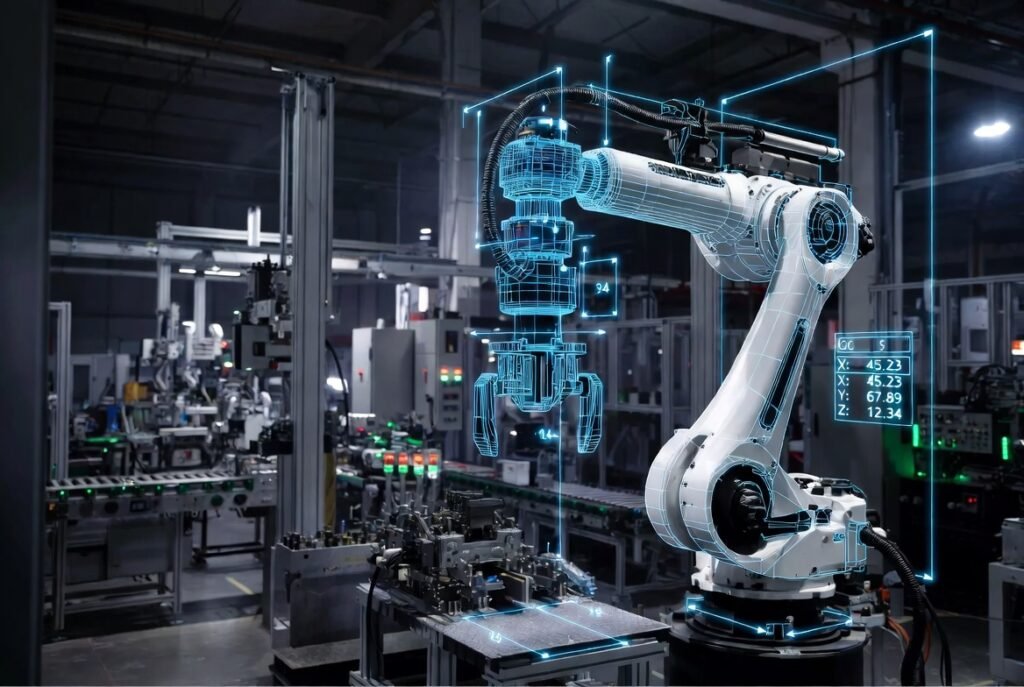
Different industries are adopting digital twins in unique ways. In manufacturing, companies like General Electric use them to monitor machines and predict failures. In healthcare, digital twins help simulate patient conditions for better treatment planning. I have read case studies where smart cities use digital twins to manage traffic and energy consumption efficiently. Even aviation companies use them to track aircraft performance in real time. Retail businesses analyze customer behavior using virtual simulations. This technology is versatile and scalable. It works for both small businesses and large enterprises. The impact is growing rapidly across sectors.
Real-Life Applications:
- Smart factories with predictive maintenance
- Healthcare simulations for personalized treatment
- Smart cities for traffic and energy management
- Aviation safety and performance tracking
- Retail customer behavior analysis
What Tools and Platforms Are Used for Digital Twins?
There are several powerful tools available for building digital twins. I personally explored beginner-friendly platforms like Azure Digital Twins and ThingWorx, which offer easy integration with IoT devices. Advanced users prefer Siemens Digital Twin or ANSYS Twin Builder for complex simulations. These tools provide dashboards, analytics, and real-time monitoring capabilities. Businesses can customize models based on their needs. Cloud platforms make deployment faster and scalable. Integration with AI enhances prediction accuracy. Choosing the right tool depends on your project size and goals. Learning these tools can open new career opportunities in tech.
Popular Tools:
- Microsoft Azure Digital Twins
- Siemens Digital Industries Software
- IBM Digital Twin Exchange
- ANSYS Twin Builder
- PTC ThingWorx
What Are the Challenges of Digital Twin Technology?
Despite its benefits, digital twin technology comes with challenges. One major issue is the high initial cost of implementation. I noticed that small businesses often struggle with data integration and infrastructure setup. Another challenge is data security, as sensitive information is constantly shared between systems. Skilled professionals are also required to manage and maintain digital twins. Without proper data, predictions can become inaccurate. Integration with legacy systems can be complex. However, as technology evolves, these challenges are gradually being solved. Companies are investing more in training and secure systems.
Common Challenges:
- High setup and maintenance cost
- Data security concerns
- Need for skilled professionals
- Complex system integration
- Dependence on accurate data
What Is the Future of Digital Twins?
The future of digital twins looks incredibly promising. With advancements in AI and machine learning, digital twins will become even smarter and more autonomous. I believe that soon every major system, from homes to entire cities, will have a digital counterpart. Companies will rely heavily on predictive analytics to make decisions. Integration with the metaverse could create immersive simulations. Real-time optimization will become standard in industries. Businesses will innovate faster with reduced risks. Digital twins will play a key role in sustainability and smart living. This technology is truly shaping the future.
Future Trends:
- AI-powered predictive models
- Integration with smart cities
- Use in the metaverse
- Real-time automation
- Sustainable system optimization
Conclusion
Digital twins are revolutionizing how we predict and manage the future. From my personal experience, even basic simulations can provide powerful insights. Businesses are using this technology to reduce risks, save costs, and improve efficiency. Despite some challenges, the benefits far outweigh the limitations. As AI and IoT continue to evolve, digital twins will become more advanced and accessible. Adopting this technology today can give businesses a strong competitive edge in the future.
FAQs
1. What is a digital twin in simple terms?
A digital twin is a virtual copy of a real-world object or system that uses data to simulate and predict behavior.
2. How do digital twins predict the future?
They analyze real-time data using AI and simulations to forecast outcomes and detect issues early.
3. Which industries use digital twins the most?
Manufacturing, healthcare, aviation, smart cities, and automotive industries widely use this technology.
4. Are digital twins expensive to implement?
Yes, initial setup can be costly, but long-term benefits like cost savings and efficiency make it worthwhile.
5. Can beginners learn digital twin technology?
Yes, platforms like Azure Digital Twins and ThingWorx offer beginner-friendly tools to get started.