
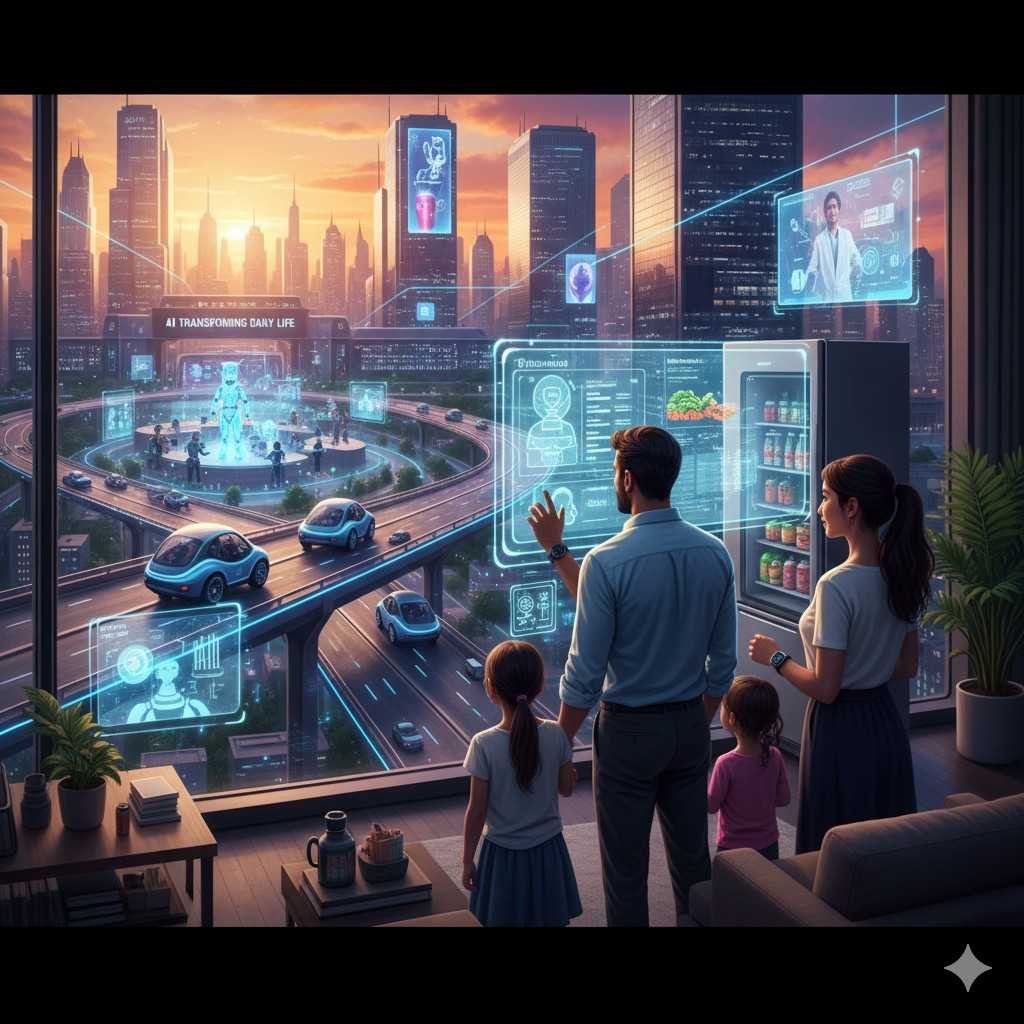
Artificial Intelligence is no longer a futuristic concept; it is part of everyday life in 2026. From smartphones to smart homes, AI-powered systems are shaping how people work, shop, learn, and communicate. Businesses are using machine learning and automation to improve customer experience and productivity. At the same time, individuals benefit from personalized recommendations and smart digital assistants. AI technology is becoming more human-like in understanding voice, text, and images. Data-driven algorithms now make faster and smarter decisions. Industries across the world are investing heavily in AI innovation. As a result, artificial intelligence applications are visible in almost every daily activity.
In 2026, artificial intelligence continues to expand its influence across daily routines and professional environments. Healthcare systems rely on AI tools for early disease detection and faster medical analysis. Online platforms use predictive analytics to suggest relevant content and improve user engagement. Smart transportation systems reduce traffic congestion through real-time data processing. Educational platforms integrate adaptive learning technologies to personalize student progress. With continuous advancements, AI is transforming modern society into a more connected and efficient digital ecosystem.
AI in Smart Homes and Personal Assistants
Smart homes in 2026 are powered by advanced AI systems that learn user behavior. Voice assistants control lights, temperature, and security systems with simple commands. AI-driven home automation saves energy through smart sensors and predictive analytics. Virtual assistants schedule meetings, set reminders, and manage daily tasks efficiently. Facial recognition enhances home security and prevents unauthorized access. Smart refrigerators suggest grocery lists based on consumption patterns. AI chatbots also handle customer service for utility services instantly. These everyday AI examples show how automation improves comfort and convenience.
AI in Healthcare and Personal Wellness
AI in healthcare has transformed diagnosis and patient care in 2026. Machine learning algorithms detect diseases earlier through medical imaging analysis. Wearable devices monitor heart rate, sleep cycles, and physical activity in real time. AI-powered health apps provide personalized diet and fitness plans. Hospitals use predictive analytics to reduce emergency room waiting times. Robotic-assisted surgeries increase precision and minimize recovery periods. Telemedicine platforms use AI chatbots for initial symptom assessment. These applications of artificial intelligence improve both preventive care and treatment efficiency.
AI in Education and Online Learning
Education technology has evolved significantly with AI integration. Intelligent tutoring systems adapt lessons based on student performance. AI-powered platforms provide instant feedback on assignments and quizzes. Personalized learning paths help students understand complex subjects easily. Speech recognition tools assist language learning and pronunciation correction. Virtual classrooms use AI analytics to track engagement and progress. Automated grading systems save teachers valuable time. In 2026, artificial intelligence in education ensures smarter, faster, and more accessible learning experiences.
AI in Business, Marketing, and E-Commerce
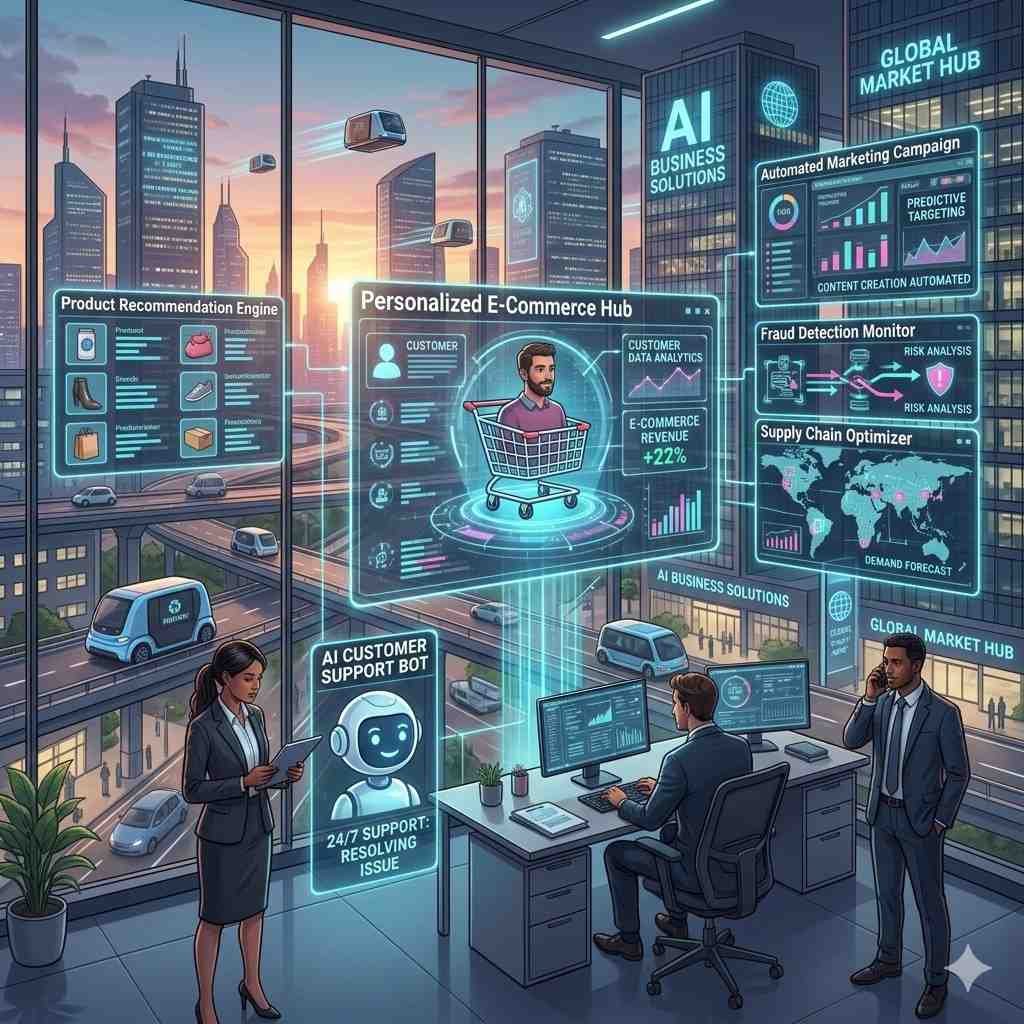
Businesses rely heavily on AI tools to analyze customer data and market trends. AI-driven recommendation engines personalize online shopping experiences. Chatbots provide 24/7 customer support, improving satisfaction rates. Digital marketing campaigns use predictive analytics to target the right audience. Automated content creation tools generate product descriptions and social media posts. Fraud detection systems protect online transactions using deep learning models. Supply chain management becomes efficient through demand forecasting algorithms. These everyday AI applications help companies increase revenue and operational efficiency.
AI in Transportation and Smart Cities
Transportation systems in 2026 use AI for safety and efficiency. Self-driving cars rely on computer vision and real-time data processing. Traffic management systems reduce congestion using AI-powered predictions. Ride-sharing apps optimize routes through machine learning algorithms. Smart city infrastructure monitors air quality and energy consumption. AI surveillance improves public safety with advanced pattern recognition. Public transport systems use data analytics to improve scheduling accuracy. These innovations highlight how artificial intelligence is shaping future urban living.
Conclusion
Artificial Intelligence in 2026 is deeply integrated into everyday life. From healthcare and education to business and smart cities, AI applications improve efficiency, safety, and personalization. Machine learning, automation, and predictive analytics are driving innovation across industries. Every day AI examples show that this technology is not replacing humans but supporting smarter decisions. As AI continues to evolve, its role in daily activities will expand further. Understanding these applications helps individuals and businesses prepare for an AI-driven future.
FAQs
1. What are the most common everyday examples of AI in 2026?
Smart assistants, recommendation systems, wearable health devices, chatbots, and self-driving cars are common examples.
2. How is AI used in healthcare?
AI helps in early disease detection, robotic surgeries, patient monitoring, and personalized treatment planning.
3. Is AI replacing human jobs in 2026?
AI automates repetitive tasks but also creates new job opportunities in AI development, data science, and automation management.
4. How does AI improve online shopping?
AI uses recommendation engines, personalized ads, and chatbots to enhance customer experience and increase sales.
5. Why is AI important for smart cities?
AI improves traffic control, public safety, energy management, and environmental monitoring in urban areas.