
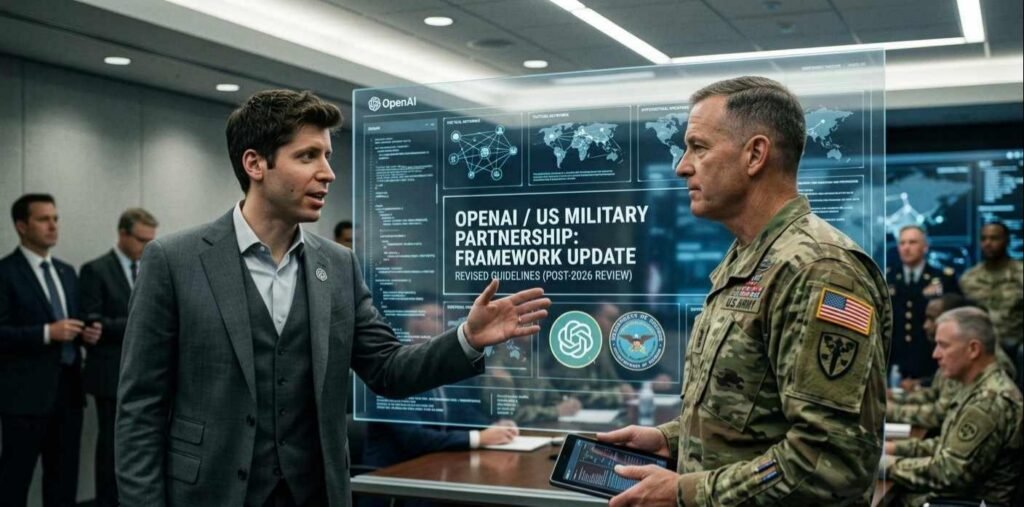
Artificial intelligence is growing fast, but its use in military systems has raised serious questions. In 2026, OpenAI made headlines after signing a deal with the U.S. military to provide AI technology for defense operations. This decision quickly became controversial, as people worried about how AI could be used in warfare, surveillance, and decision-making. Many users, experts, and even employees expressed concerns about ethics and safety.
The situation became more intense when backlash spread across social media and the tech industry. Thousands of users protested, and many even stopped using AI tools in response. Open AI’s CEO admitted the agreement was rushed and not properly explained. As a result, the company made important changes to the deal to address public concerns and rebuild trust. This article explains what happened, why people reacted strongly, and what changed after the backlash.
What Was the Open AI US Military Deal?
In early 2026, OpenAI entered a partnership with the U.S. Department of Defense to provide advanced AI models for government and military use. The goal was to improve areas like cybersecurity, data analysis, and strategic planning. This deal also allowed AI systems to be used in classified environments through secure cloud platforms.
This move came after another AI company refused similar cooperation due to ethical concerns. OpenAI stepped in and became a key provider for military AI solutions. The agreement marked a major shift, showing how private tech companies are now deeply involved in national security. However, it also opened a debate about whether AI should be used in sensitive military operations. Many experts questioned if such powerful technology could be controlled safely.
Why Did the Backlash Happen?
The backlash happened mainly because people feared how AI could be used by the military. Many users believed that AI might be used for mass surveillance or autonomous weapons. These concerns are not new, but this deal made them feel more real and immediate. Social media campaigns like “Quit ChatGPT” started trending, showing strong public reaction.
Employees from major tech companies also raised concerns and signed open letters. They warned that AI should not be used for harmful purposes without strict human control. Around 900 employees protested against military use of AI technologies.
Another reason for backlash was the way the deal was announced. OpenAI’s CEO later admitted it looked rushed and poorly communicated. This created confusion and mistrust among users and industry experts.
What Changes Did Open AI Make After the Backlash?
After facing strong criticism, OpenAI quickly updated its agreement with the U.S. military. The company added clear rules to limit how its AI could be used. One major change was a strict ban on using AI for domestic mass surveillance. This was important because many people feared privacy violations.
Another key change was ensuring that AI cannot be used to control fully autonomous weapons. Human oversight became a required condition in all military applications. This means AI can assist, but final decisions must involve humans. OpenAI also added more transparency about how its systems would be deployed.
The company emphasized that its goal is to support national security while maintaining ethical standards. These updates helped reduce some concerns, but debates about AI in warfare still continue.
Impact on Users and the AI Industry
The controversy had a strong impact on both users and the AI industry. Many users lost trust and stopped using AI platforms temporarily. Reports showed a significant increase in uninstall rates and subscription cancellations. At the same time, competing AI tools gained popularity as users explored alternatives. This showed how sensitive public trust is when it comes to AI ethics. Companies now understand that transparency and responsibility are more important than ever.
For the industry, this event highlighted a major shift. Tech companies are no longer just building tools; they are shaping global security systems. This creates both opportunities and risks. Governments want advanced AI, but companies must balance innovation with ethical responsibility.
Ethical Concerns Around AI in Warfare
The use of AI in military systems raises deep ethical questions. One major concern is whether machines should be involved in life-and-death decisions. Even with human oversight, AI can influence critical actions. This creates risks if the system makes errors or is misused.
Another issue is surveillance. AI can process massive amounts of data, making it easier to monitor populations. Without strict rules, this could lead to privacy violations and misuse of power.
There is also the question of accountability. If an AI system causes harm, who is responsible, the company, the government, or the developer? These concerns make it clear that strong regulations are needed.
Future of AI and Military Collaboration
The OpenAI controversy shows that AI and military collaboration will continue to grow. Governments see AI as a strategic advantage, especially in defense and security. This means more partnerships between tech companies and military organizations are likely.
However, future agreements will need stricter guidelines and better communication. Companies must clearly explain how their technology will be used. Public trust will play a key role in shaping these decisions.
We may also see global rules and policies for military AI in the coming years. This could help ensure that AI is used responsibly and ethically. The balance between innovation and safety will define the future of this field.
Final Thoughts
OpenAI’s US military deal in 2026 sparked one of the biggest debates about AI ethics and responsibility. The backlash showed that people care deeply about how powerful technology is used. While OpenAI made important changes to address concerns, the issue is far from over. This event highlights the need for transparency, strong regulations, and ethical decision-making in AI development. As AI continues to grow, balancing innovation with human values will remain one of the biggest challenges for the future.
FAQs
1. Why did OpenAI partner with the US military?
OpenAI partnered to provide advanced AI tools for defense, cybersecurity, and strategic analysis.
2. Why were people angry about the deal?
People feared AI could be used for surveillance, autonomous weapons, and unethical military actions.
3. What changes did OpenAI make?
OpenAI added rules banning mass surveillance and requiring human control in critical decisions.
4. Did users stop using ChatGPT after this news?
Yes, many users protested and some uninstalled or stopped using AI platforms temporarily.
5. Is AI safe for military use?
It can be safe with strict rules, but ethical concerns and risks still remain.
6. What is the main concern about AI in military use?
The biggest concern is that AI could be used for autonomous weapons or surveillance without proper human control, leading to ethical and safety risks.
7. Did OpenAI completely cancel the military deal?
No, OpenAI did not cancel the deal. Instead, it modified the agreement by adding stricter rules and ethical guidelines after the backlash.
8. How does this deal affect everyday users of AI tools?
It mainly affects user trust. Many people became more aware of how AI is used behind the scenes and demanded more transparency from companies.
9. Are other AI companies working with the military too?
Yes, several AI companies collaborate with governments for defense and security purposes, but each follows different ethical policies and guidelines.
10. Will there be laws to control AI in the future?
Yes, many countries are working on AI regulations to ensure safe and ethical use, especially in sensitive areas like military and surveillance.