
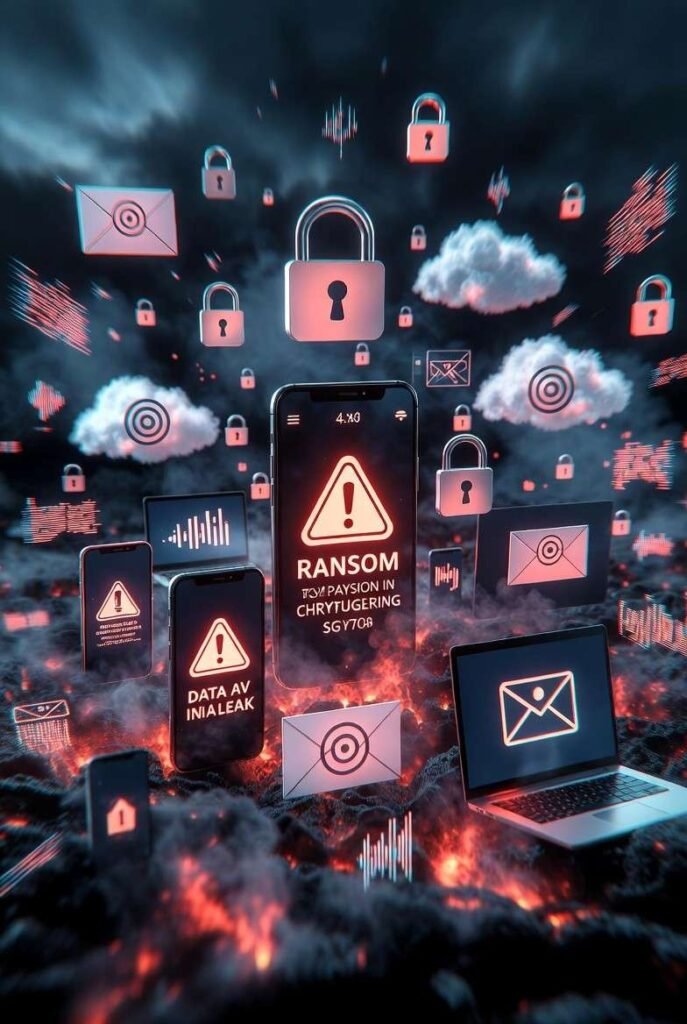
The Silent Digital War of 2026
Cyberattacks in 2026 are more dangerous, advanced, and shocking than ever before. Hackers are no longer just targeting big companies; they are attacking small businesses, hospitals, banks, and even personal devices. With the rise of artificial intelligence and automation, cybercriminals are using increasingly sophisticated tools to break into systems in seconds. Many attacks happen silently, and victims only realize the damage after their data is leaked online. From ransomware attacks to phishing scams, digital threats are growing rapidly. Governments and cybersecurity experts warn that no one is 100% safe in today’s connected world. Every smartphone, laptop, and cloud account can become a target. The digital battlefield is active 24/7, and attackers never sleep.
In 2026, cyberattacks have become faster, more intelligent, and harder to detect than ever before. Criminal networks now use AI-powered malware to bypass traditional security systems within minutes. Critical sectors like healthcare, finance, and e-commerce face daily threats that can disrupt entire operations. Even individuals are targeted through deepfake scams, identity theft, and advanced phishing emails. As technology evolves, the fight between cybersecurity experts and hackers continues to intensify worldwide.
AI-Powered Cyberattacks Are Breaking All Records
In 2026, hackers are using artificial intelligence to launch faster and more complex cyberattacks. AI-powered malware can learn system behavior and avoid detection by traditional antivirus software. Automated hacking tools scan thousands of networks in minutes to find weak passwords and vulnerabilities. Deepfake technology is now used for voice phishing and identity fraud, making scams more believable. Cybercriminals use machine learning algorithms to predict security gaps before companies fix them. These advanced persistent threats are difficult to trace because they constantly change their patterns. AI-driven botnets can coordinate massive distributed denial-of-service (DDoS) attacks globally. As AI technology grows, so does the risk of intelligent cybercrime.
Ransomware Attacks Target Critical Infrastructure
Ransomware remains one of the biggest cybersecurity threats in 2026. Hackers encrypt company data and demand payment in cryptocurrency to unlock it. Hospitals, power grids, and transportation systems have become major targets. In some cases, attackers threaten to leak sensitive information if ransom is not paid. Double extortion tactics are becoming more common and more harmful. Small businesses are also suffering because they lack strong cybersecurity defense systems. Cloud security weaknesses have created new opportunities for ransomware gangs. Without proper data backup and endpoint protection, organizations can face serious financial and reputational damage.
Phishing Scams and Social Engineering Are Smarter Than Ever
Phishing attacks in 2026 look more real than ever before. Cybercriminals create fake emails, websites, and login pages that are almost identical to original platforms. Social engineering tactics manipulate human emotions like fear, urgency, and trust. AI-generated messages are personalized using stolen data from previous breaches. SMS phishing (smishing) and voice phishing (vishing) are increasing rapidly. Many employees accidentally share credentials because the scam feels authentic. Multi-factor authentication helps, but attackers are also finding ways to bypass it. Cyber awareness training is now essential for every organization and individual.
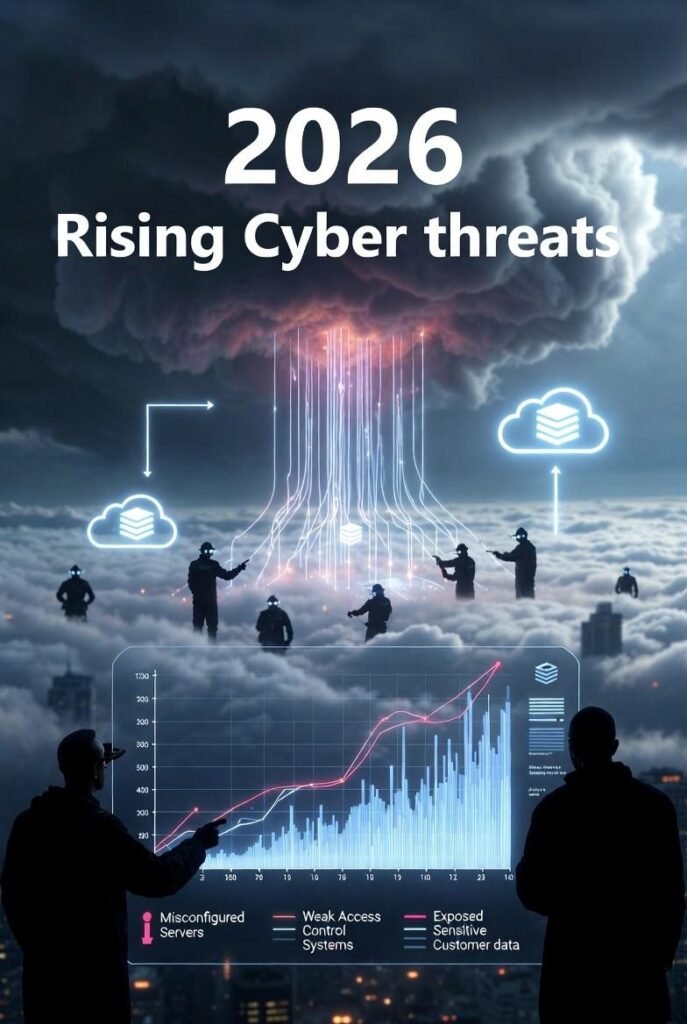
Cloud Security and Data Breaches on the Rise
As more businesses move to cloud computing, cloud security risks have also increased. Misconfigured servers and weak access control systems expose sensitive customer data. In 2026, large-scale data breaches are affecting millions of users worldwide. Hackers exploit API vulnerabilities and insecure cloud storage buckets. Remote work culture has expanded the attack surface for cyber threats. Insider threats also play a major role in data leakage incidents. Companies are investing heavily in encryption, zero-trust architecture, and security monitoring tools. However, one small mistake can still lead to a massive cybersecurity incident.
The Growing Threat of Nation-State Cyber Warfare
Cyber warfare between countries has become a serious global concern in 2026. Nation-state hackers target government systems, defense networks, and financial institutions. These cyber espionage campaigns aim to steal classified information and disrupt national security. Critical infrastructure like water systems and energy grids are at risk. Some cyberattacks are politically motivated and linked to international conflicts. Advanced malware developed by state-sponsored groups is extremely difficult to detect. Global cybersecurity alliances are forming to share threat intelligence and improve digital defense. The cyber battlefield is now as important as land, sea, air, and space.
How to Protect Yourself from Cyberattacks in 2026?
Protection against cyberattacks requires both technology and awareness. Using strong passwords and password managers reduces the risk of account hacking. Multi-factor authentication adds an extra layer of security. Regular software updates fix vulnerabilities before hackers exploit them. Installing advanced antivirus and endpoint detection tools can block malicious activities. Data backup strategies help organizations recover from ransomware attacks. Cybersecurity awareness training teaches employees how to recognize phishing and malware threats. Staying informed about cybersecurity trends is the first step toward digital safety.
Conclusion
Cyberattacks in 2026 are more advanced, intelligent, and destructive than ever before. AI-driven hacking, ransomware threats, phishing scams, and cyber warfare are reshaping the digital landscape. Businesses and individuals must adopt strong cybersecurity practices to stay protected. Investing in cloud security, encryption, and employee awareness can reduce risks significantly. The digital world offers great opportunities, but it also demands responsibility. Cybersecurity is no longer optional; it is essential for survival in today’s connected society.
FAQs
1. What are the biggest cyber threats in 2026?
AI-powered malware, ransomware attacks, phishing scams, and cloud data breaches are the biggest threats.
2. How does AI increase cybercrime risk?
AI helps hackers automate attacks, avoid detection, and create realistic phishing messages.
3. What is ransomware?
Ransomware is malicious software that encrypts data and demands payment for its release.
4. How can small businesses protect themselves?
They should use strong passwords, enable multi-factor authentication, install security software, and train employees.
5. Why is cloud security important in 2026?
Most businesses store data in the cloud, making it a major target for cybercriminals.