
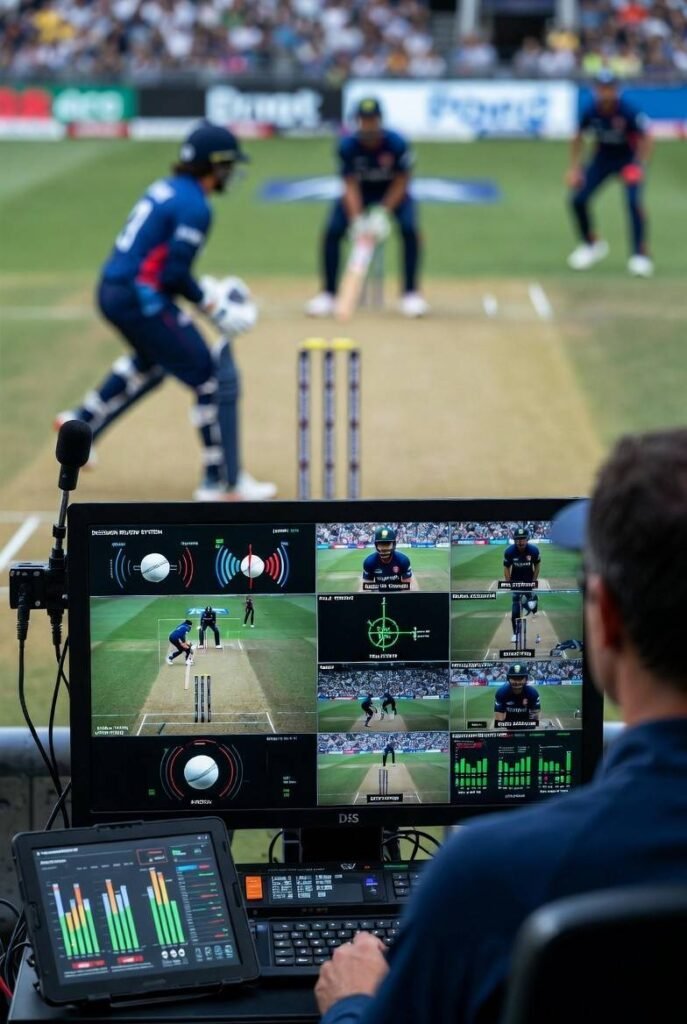
Cricket is one of the most trending sports in 2026, especially with major leagues such as the Indian Premier League, the ICC T20 World Cup, and the Pakistan Super League capturing global attention. Millions of fans follow live matches across digital platforms every day. Along with excitement, technology in cricket has become a key talking point. Modern cricket is no longer limited to bat and ball only. Advanced tools are improving fairness, accuracy, and performance analysis. From umpire decisions to player fitness, technology in cricket 2026 is influencing every aspect of the match. Artificial intelligence and data analytics are now part of team strategies. I have personally seen how tools like DRS and ball-tracking systems make matches more accurate and exciting.
In technology in cricket 2026, teams and officials rely heavily on AI, real-time data, and smart tools to gain a competitive edge. Moreover, fans now enjoy a more immersive experience through advanced broadcasting and smart stadiums. As a result, cricket has evolved into a more precise, data-driven, and engaging sport.
Decision Review System (DRS) in Cricket
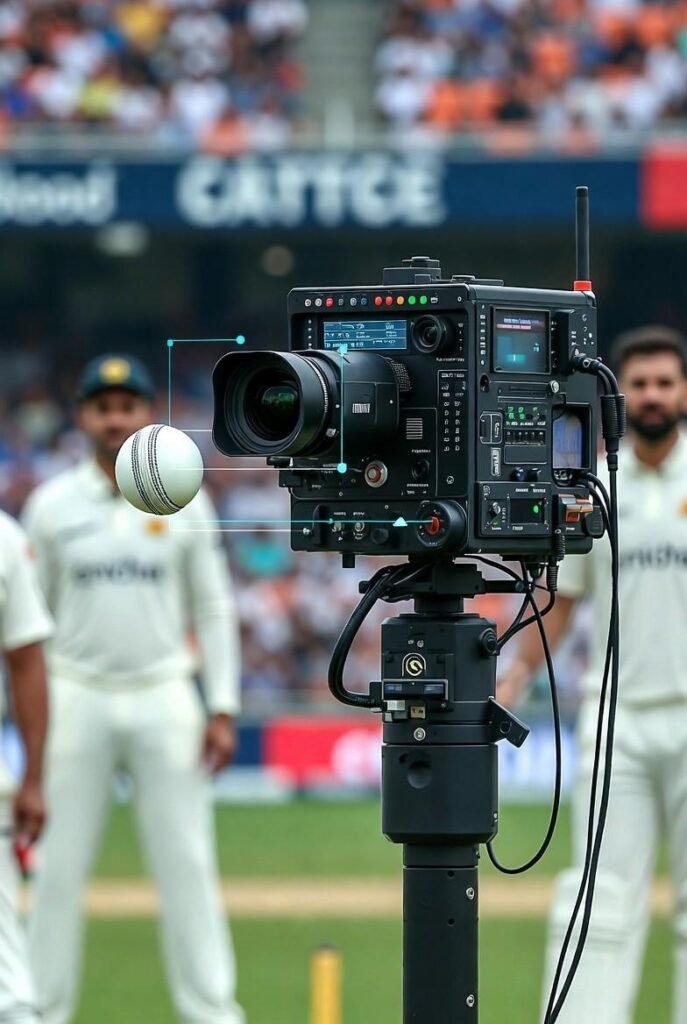
The Decision Review System has completely changed umpiring accuracy in cricket matches. DRS uses advanced technology like ball tracking and sound detection. It helps umpires review close LBW and edge decisions. This system reduces human error and improves match fairness. Teams now rely on strategic use of reviews. Cricket technology like DRS increases transparency for players and fans. Viewers can see real-time replays and analytics during live broadcasts. The system has strengthened trust in modern cricket officiating.
Hawk-Eye Technology and Ball Tracking
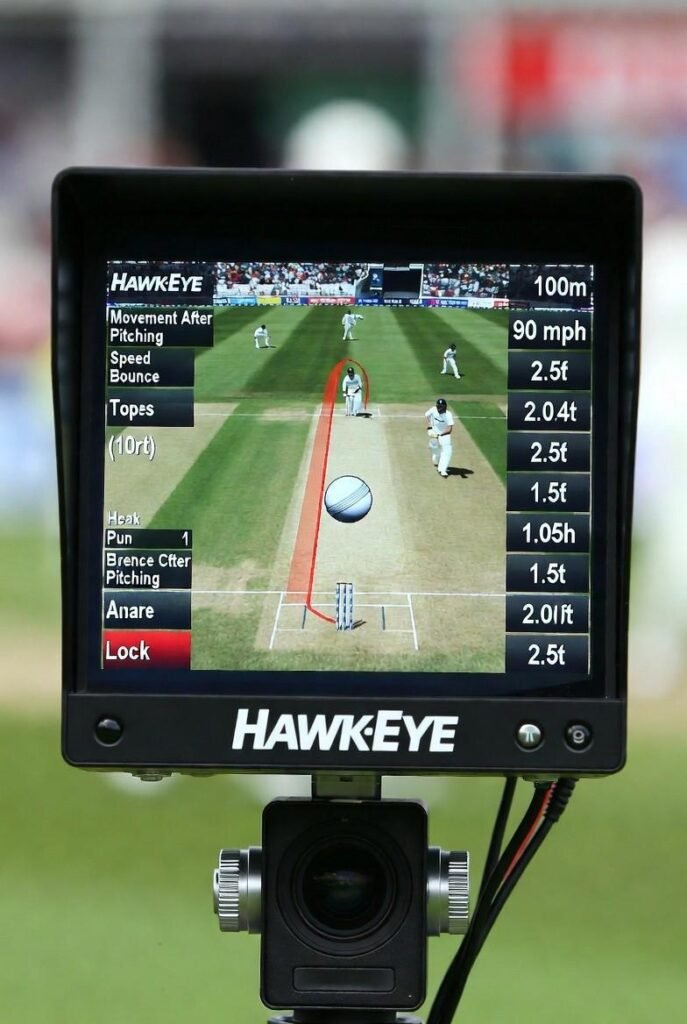
Hawk-Eye technology is one of the most important innovations in cricket. It tracks the ball’s speed, bounce, and movement after pitching. This technology is widely used in LBW decisions and performance analysis. Ball tracking provides accurate visual data for umpires and audiences. Teams also use Hawk-Eye data to study bowlers and batters. It helps analyze line, length, and shot selection. Sports analytics powered by Hawk-Eye improves tactical planning. This technology has made cricket more data-driven and precise.
Snickometer and UltraEdge Systems
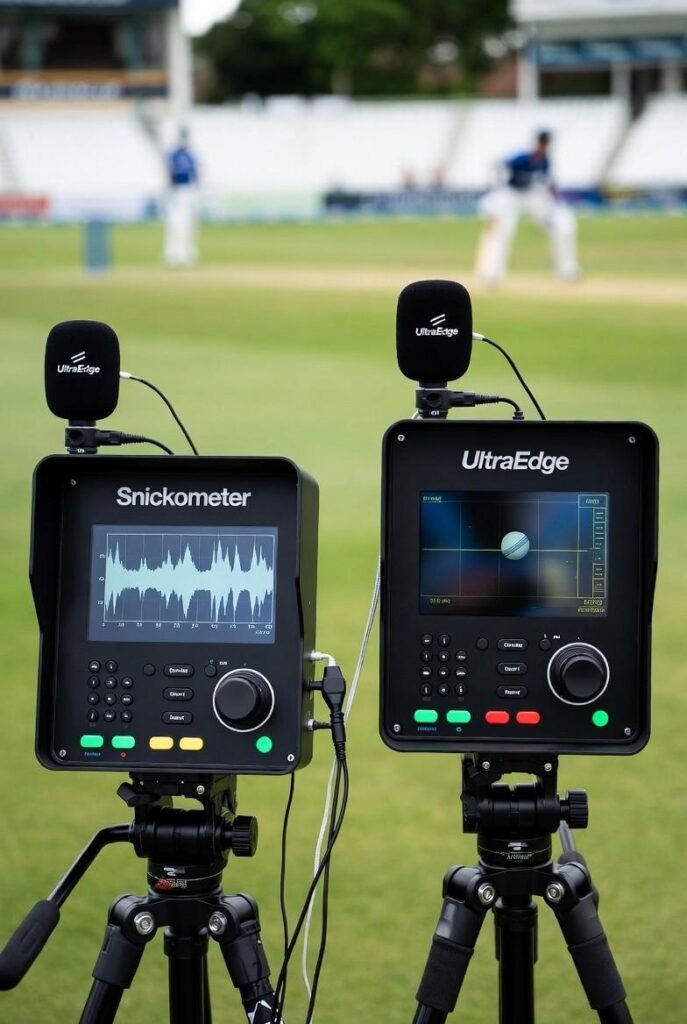
Snickometer and UltraEdge play a crucial role in detecting bat and ball contact. These systems use audio and visual signals to identify edges. They are especially useful in close catching decisions. Traditional methods often failed in such situations. UltraEdge technology reduces controversy and improves decision clarity. Fans enjoy slow-motion and waveform visuals during reviews. This cricket innovation enhances match credibility. It also supports fair play in high-pressure matches.
Artificial Intelligence and Smart Cricket Analytics

Artificial intelligence is now deeply integrated into professional cricket. AI-based analytics analyze player performance and match conditions. Teams use data science to predict opponent strategies. Machine learning helps identify the strengths and weaknesses of players. Smart cricket analytics improve team selection decisions. Coaches rely on AI tools for match simulations and planning. Predictive analytics also helps manage workloads and injuries. Technology-driven insights are shaping modern cricket tactics.
Wearable Technology and Player Fitness
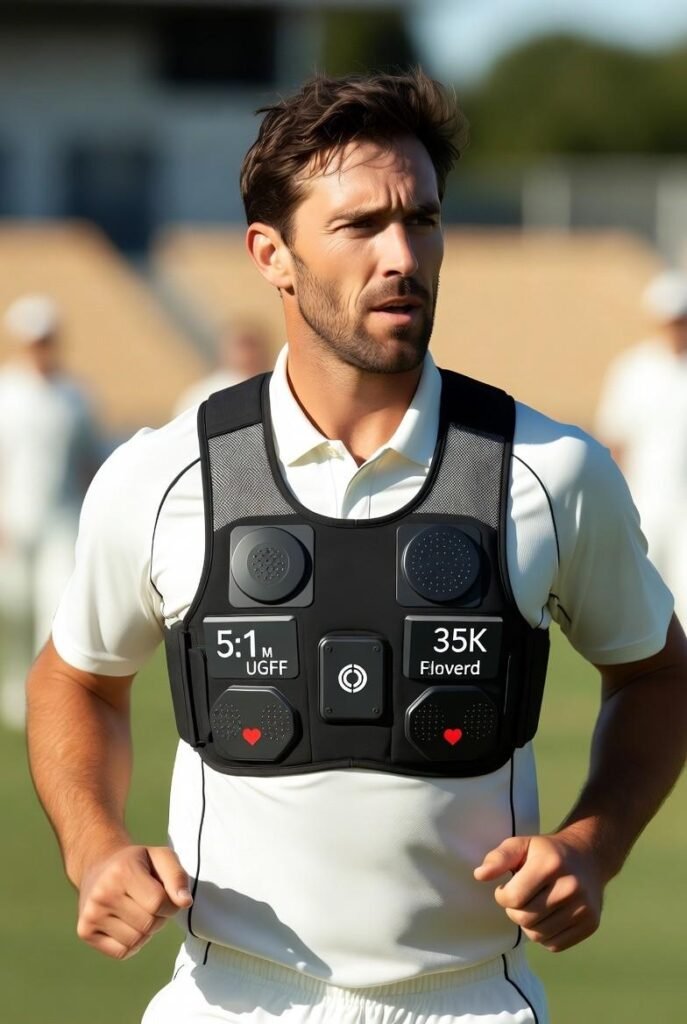
Wearable technology has transformed player fitness monitoring in cricket. Smart sensors track heart rate, speed, and movement. These devices help measure fatigue and injury risk. Teams use real-time fitness data during training sessions. Sports technology supports injury prevention and recovery planning. Performance tracking improves stamina and consistency. Fitness analytics also help extend player careers. Wearable tech is now essential in professional cricket leagues.
Broadcasting Technology and Fan Experience
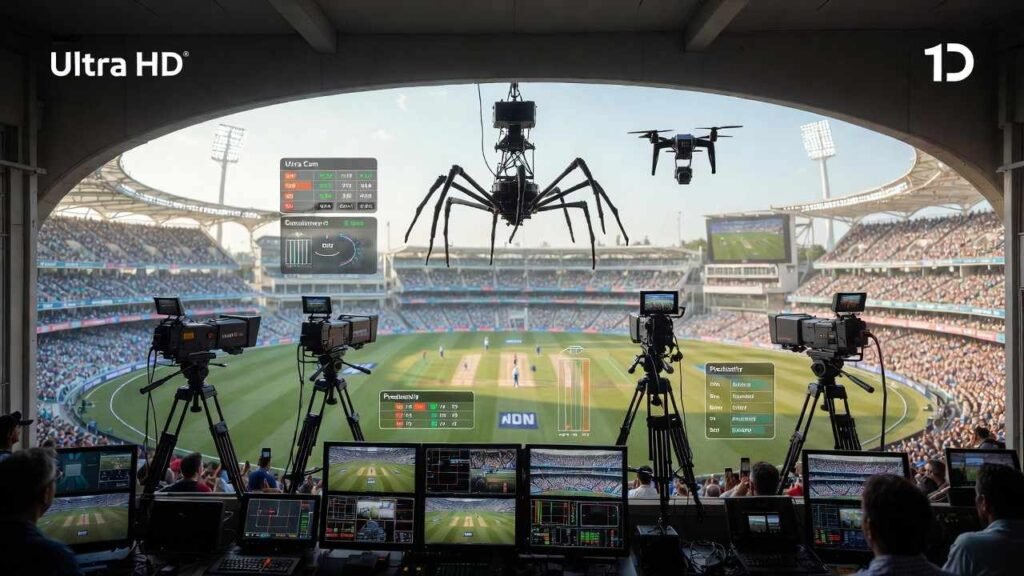
Broadcasting technology has revolutionized how fans experience cricket matches. Ultra HD cameras provide crystal-clear visuals. Spider Cam and drone shots enhance stadium coverage. Real-time statistics and graphics keep viewers engaged. Augmented reality adds interactive elements to live broadcasts. Digital platforms allow fans to watch matches globally. Smart broadcasting increases fan involvement and excitement. Technology has made cricket more immersive than ever.
Conclusion
The technology in cricket 2026 has completely transformed how the game is played, managed, and experienced. From AI-driven analytics to advanced decision-making systems, technology ensures fairness and enhances performance. Moreover, it improves fan engagement through smart stadiums and real-time updates. In conclusion, as technology continues to evolve, cricket will become even more precise, competitive, and exciting for players and fans worldwide.
FAQs
1. How has technology changed modern cricket matches?
Technology has improved decision-making, player performance analysis, and fan engagement. Tools like DRS, ball tracking, and data analytics have made cricket more accurate, fair, and transparent.
2. What is the role of DRS in cricket?
The Decision Review System helps umpires review close decisions using ball tracking and edge detection, reducing human error and increasing match fairness.
3. How does Hawk-Eye technology work in cricket?
Hawk-Eye tracks the ball’s movement, speed, and bounce to predict its path. It is mainly used for LBW decisions and performance analysis.
4. What is UltraEdge or Snickometer used for?
UltraEdge detects faint edges using sound waves and visuals, helping umpires make correct caught-behind decisions.
5. How is Artificial Intelligence used in cricket today?
AI is used for player performance analysis, match predictions, workload management, and opponent strategy planning through advanced data analytics.
6. Do cricket teams use wearable technology?
Yes, wearable devices track fitness metrics like heart rate, speed, and fatigue, helping prevent injuries and improve player performance.
7. How has technology improved the fan experience in cricket?
Ultra HD broadcasts, real-time stats, Spider Cam, and digital streaming platforms have made watching cricket more immersive and interactive.
8. Is technology widely used in leagues like the Indian Premier League?
Yes, leagues such as the Indian Premier League use advanced technology for umpiring, analytics, and broadcasting.
9. Can technology completely replace human umpires in cricket?
No, technology supports umpires but does not replace them. Human judgment remains essential, with technology acting as a decision-support system.
10. What is the future of technology in cricket?
The future includes greater use of AI, predictive analytics, smart stadiums, and enhanced broadcasting, making cricket more data-driven and globally connected.
Pingback: Splatoon Raiders Release Date & the “INK AXE” Leak: A New Era for Nintendo - AIVerse Hub