
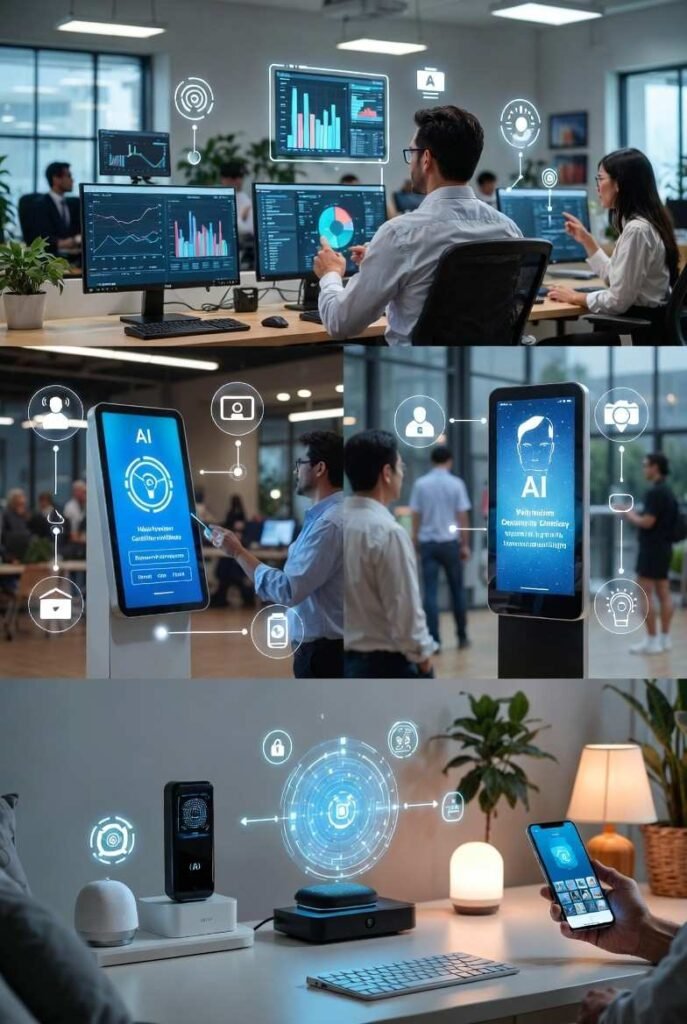
Artificial intelligence is becoming a powerful part of everyday life in 2026. Smart technology is now used in homes, offices, and public places. People rely on AI-powered systems to save time and improve comfort. Machine learning algorithms help devices understand user behavior better. Daily tasks are becoming easier with intelligent automation. From lighting to security, smart home solutions are growing fast. Businesses also depend on digital transformation driven by AI. This rapid growth shows how future technology trends are shaping modern life.
In today’s world, AI-driven innovation is changing how people live and work. Personalized experiences are created using data and analytics. Voice assistants and smart apps support daily routines
Intelligent Smart Homes and Connected Living
Smart homes in 2026 are becoming more advanced with AI-powered home automation. Devices now use machine learning to understand daily routines. Smart home devices can control lighting, temperature, and security automatically. Voice-controlled systems make home management simple and fast. IoT technology connects appliances for smooth communication. AI security systems help protect homes with real-time monitoring. Energy-efficient smart appliances reduce electricity waste. These features make intelligent living spaces more comfortable and secure.
Modern houses now rely on predictive smart technology to think ahead. AI-driven sensors adjust settings based on weather and habits. Home automation systems improve convenience and save time. Smart thermostats help maintain comfort while lowering energy costs. Connected home devices work together without manual control. Artificial intelligence helps detect problems before they happen. Smart surveillance cameras increase safety with facial detection. This shows how AI in smart homes is changing daily life.
Next-Generation Virtual Assistants and Digital Companions
AI-powered personal assistants are becoming smarter and more helpful in 2026. These tools use natural language processing to understand voice commands clearly. Virtual assistants can manage schedules, reminders, and daily tasks easily. AI chatbots provide quick answers and support anytime. Voice assistants learn user preferences over time. Machine learning systems help assistants improve accuracy. Smart assistant technology connects with phones and home devices. This makes digital assistants useful for everyday life.
Modern users depend on intelligent virtual assistants for work and home tasks. AI-driven assistants help with emails, meetings, and planning. Speech recognition technology allows smooth conversations with devices. Personalized AI services offer better suggestions and alerts. Automation tools reduce manual effort and save time. Smart AI assistants support multitasking and productivity. Context-aware technology helps assistants respond correctly. This shows how AI personal assistants are changing daily routines.
Self-Driving Vehicles and Smart Transportation Systems
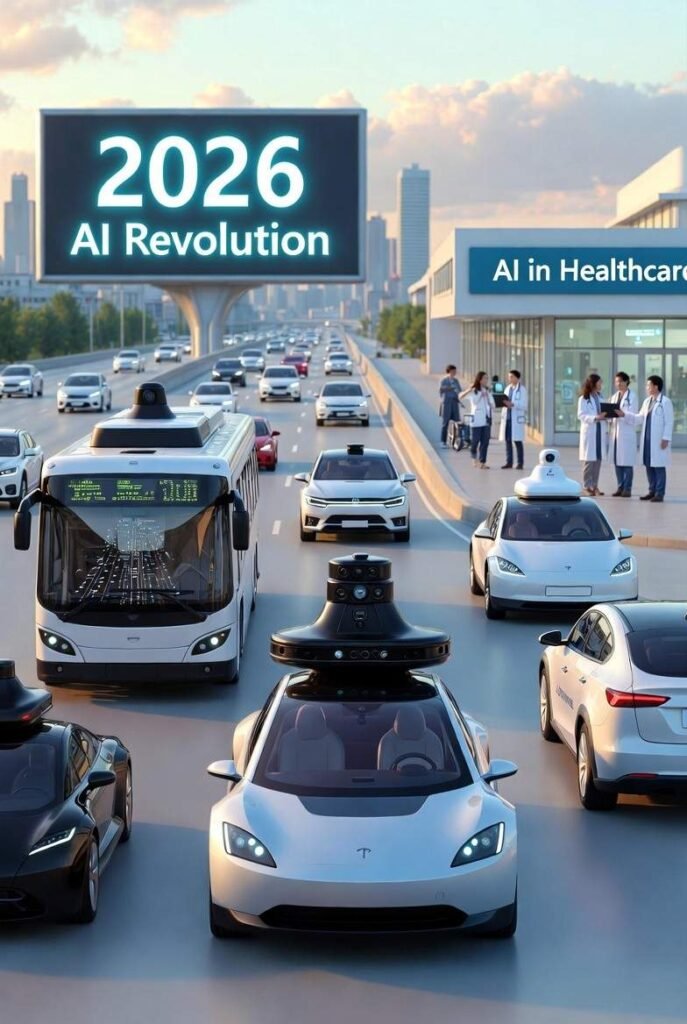
Autonomous transportation is becoming more common in 2026 with the help of artificial intelligence. Self-driving vehicles use sensors and cameras to understand roads. AI-powered navigation systems help cars choose safer routes. Machine learning algorithms improve driving decisions over time. Smart traffic management reduces congestion in busy cities. Driverless cars increase safety by reducing human errors. Connected vehicle technology allows cars to communicate with signals. This shows how AI in transportation is improving daily travel.
Cities are also adopting smart mobility solutions for public transport. AI-based traffic control systems manage traffic flow efficiently. Autonomous buses and taxis offer reliable travel options. Predictive analytics help reduce delays and fuel use. Electric autonomous vehicles support eco-friendly transport goals. Real-time data processing improves road safety and planning. Intelligent transportation systems support faster commuting. These changes highlight the growth of AI-driven transportation in modern life.
AI Revolution in Healthcare and Wellness Technology
AI in healthcare is transforming medical services in 2026. Artificial intelligence systems help doctors analyze medical data faster. AI-powered diagnosis tools improve accuracy in disease detection. Machine learning models support early health risk prediction. Wearable health technology tracks heart rate and activity levels. Remote patient monitoring improves care outside hospitals. Digital health solutions reduce waiting time for patients. This progress shows how smart healthcare technology is improving lives.
Health and wellness also benefit from AI-driven personalized care. Predictive analytics in healthcare helps prevent serious illnesses. Telemedicine platforms use AI for virtual consultations. Health monitoring devices send real-time data to doctors. AI-based treatment plans match individual needs. Mental health apps use AI to offer support and guidance. Data-driven healthcare systems improve patient outcomes. These advances highlight the power of AI in wellness technology.
AI in Entertainment and Digital Media Innovation
AI in entertainment is changing how content is created and enjoyed in 2026. Artificial intelligence technology helps produce movies, music, and videos faster. AI-generated content supports creative ideas with less effort. Streaming platforms use AI recommendation systems to suggest content. Machine learning algorithms study viewing habits carefully. Personalized entertainment experiences keep audiences more engaged. Virtual reality and AI create immersive digital worlds. These changes show the growth of smart entertainment technology.
The gaming and media industry also benefits from AI-driven innovation. Gaming AI systems create smarter characters and better gameplay. Content personalization tools improve user satisfaction. AI in video editing saves time and cost for creators. Voice and image recognition improve interactive media. Automated content creation supports digital artists. Data-driven entertainment platforms predict user interests. This highlights the strong impact of AI in digital entertainment.
AI in Banking and Financial Technology (FinTech)
AI in banking is transforming financial services in 2026. Artificial intelligence systems help banks process data faster. AI-powered fraud detection reduces online financial crimes. Machine learning algorithms analyze transaction patterns accurately. Digital banking platforms use AI for smooth operations. Automated customer service chatbots answer queries instantly. Predictive financial analytics support better decision-making. This shows how smart banking technology improves security and efficiency.
Banks are also using AI-driven financial automation to improve user experience. Robo-advisors help customers manage investments wisely. AI-based credit scoring improves loan approval accuracy. Risk management systems use data-driven insights. Personalized banking services meet individual customer needs. Blockchain and AI integration increase transaction transparency. Real-time data analysis supports faster banking services. These changes highlight the impact of AI in financial technology.
Artificial Intelligence in Online Shopping and E-Commerce
AI in online shopping is transforming the e-commerce industry in 2026. Artificial intelligence technology helps analyze customer behavior for better service. AI product recommendation systems suggest items based on preferences. Personalized shopping experiences increase customer satisfaction. Smart checkout solutions make buying faster and easier. Machine learning algorithms optimize inventory and pricing. AI-powered chatbots assist shoppers instantly. This shows how smart e-commerce technology improves online sales and convenience.
E-commerce platforms also use AI-driven marketing strategies to attract buyers. Predictive analytics anticipate demand and trends effectively. Virtual try-on technology allows customers to visualize products. AI automation tools manage orders and logistics efficiently. Personalized offers and discounts improve customer engagement. However, Data-driven insights help businesses make better decisions. AI in online retail enhances user experience and loyalty. These advancements highlight the role of artificial intelligence in e-commerce.
AI-Powered Social Media and Content Personalization
AI in social media is reshaping how content is delivered in 2026. Artificial intelligence algorithms analyze user behavior to improve engagement. AI content recommendation systems suggest posts and videos that match interests. Machine learning technology predicts trending topics quickly. Social media automation tools schedule and manage posts efficiently. Targeted advertising systems reach the right audience with precision. AI-driven analytics measure performance and user interaction. This shows how smart social media technology enhances online communication.
Platforms now rely on AI-powered content personalization to keep users engaged. Automated moderation systems detect harmful or inappropriate content. Predictive analytics in social networks improves user experience. AI chatbots interact with followers instantly. Data-driven marketing strategies increase brand visibility. Image and video recognition AI support creative content curation. Intelligent recommendation engines improve engagement rates. These changes highlight the growing impact of AI in digital social media.
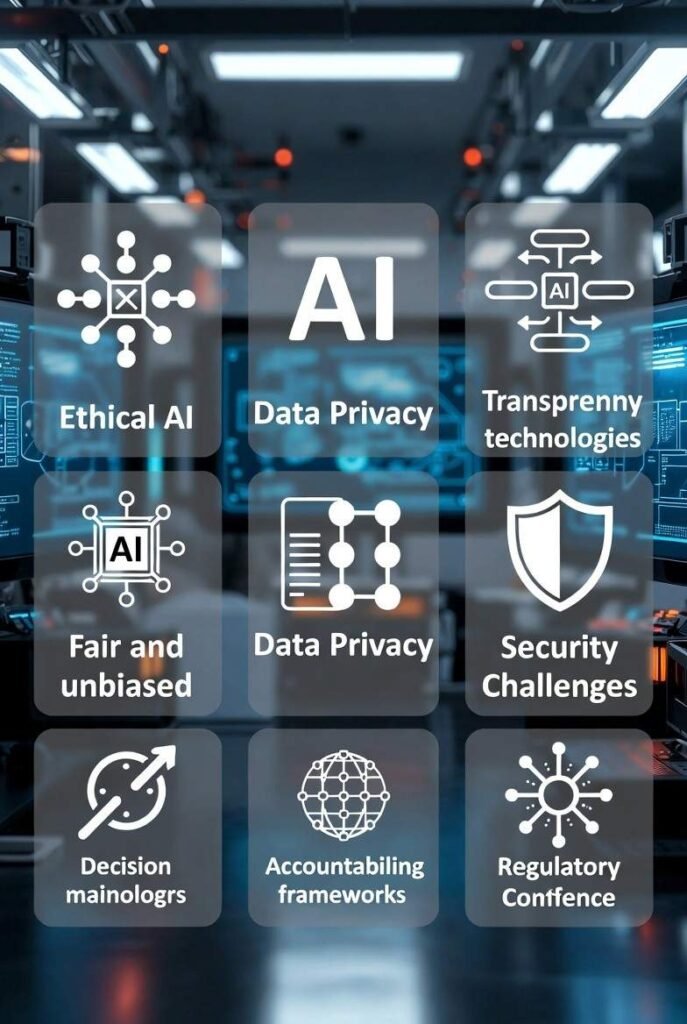
Ethical AI is becoming a key focus as technology advances in 2026. Artificial intelligence ethics ensures systems are fair and unbiased. Data privacy regulations protect user information from misuse. Responsible AI development promotes transparency in decision-making. Bias detection in AI prevents discrimination in automated systems. Cybersecurity measures protect against unauthorized access. Accountable AI practices build trust with users. This shows how ethical technology standards guide modern AI applications.
Organizations are adopting AI governance frameworks to manage risks effectively. Privacy-preserving AI safeguards sensitive data during processing. AI accountability systems monitor automated decision-making. Ethical machine learning reduces unintended harm in algorithms. Regulatory compliance in AI ensures adherence to laws. Transparent AI systems explain their processes clearly. Fair AI solutions maintain equality in access and treatment. These steps highlight the importance of responsible artificial intelligence in 2026.
Conclusion
The rise of artificial intelligence is transforming every aspect of daily life in 2026. From smart homes and autonomous transportation to AI in healthcare, finance, and entertainment, technology is making life more convenient and efficient. Personalized experiences, predictive analytics, and automation tools are improving productivity and safety. At the same time, ethical AI and data privacy remain crucial for trust and security. The future shows a world where AI-powered innovation enhances lifestyle, work, and global connectivity seamlessly.
FAQs
Q1: How is AI changing daily life?
Artificial intelligence improves convenience through smart homes, personal assistants, and automated services. It helps manage tasks efficiently and offers personalized experiences.
Q2: Is AI safe in healthcare and finance?
Yes, AI-powered systems enhance accuracy in diagnosis, treatment, and financial decisions. Ethical AI and data privacy regulations ensure safety and reduce risks.
Q3: How does AI improve online shopping and entertainment?
AI recommendation systems suggest products, content, and services based on user preferences. Machine learning algorithms optimize experiences for convenience and engagement.
Q4: What are the challenges of AI?
Challenges include bias in algorithms, data security risks, and ethical concerns. Responsible AI development and transparent systems are crucial to address these issues.
Q5: Will AI replace human jobs?
AI supports productivity and automation, but complements human skills. AI-driven tools reduce repetitive work while humans focus on creativity and decision-making.